In civil and criminal cases, as well as economic disputes related to investment in construction, construction quality, and construction costs, judicial construction appraisal plays a “key” role in assisting judicial authorities in resolving complex technical issues beyond the specialized expertise of legal practitioners. Sao Viet Construction Design Consultancy and Inspection Joint Stock Company (SVG Engineering) is a reputable provider of construction appraisal and inspection services in Hai Phong, Hanoi, Hue, Ho Chi Minh City, and many other provinces and cities across Vietnam.
JUDICIAL CONSTRUCTION APPRAISAL – THE LATEST A-TO-Z GUIDE 2026
1. WHAT IS JUDICIAL CONSTRUCTION APPRAISAL?
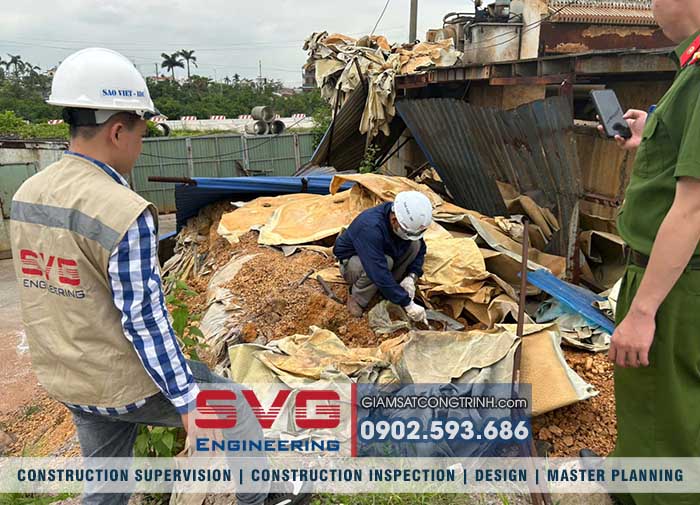
Judicial construction appraisal refers to the activity in which a judicial appraiser applies professional knowledge, methodology, technical design principles, standards, and regulations to assess and issue conclusions on specialized matters arising in construction investment activities, at the request of competent authorities or upon the request of appraisal applicants.
Pursuant to Circular No. 17/2021/TT-BXD dated December 22, 2021, issued by the Ministry of Construction, which provides regulations on certain aspects of judicial appraisal activities in the construction sector, judicial construction appraisal includes the following contents:
1. Judicial appraisal of compliance with legal regulations
Judicial appraisal of compliance with laws and regulations on construction planning, construction investment activities, housing, and real estate business, including:
a) Compliance with legal regulations on construction planning and construction investment activities throughout the following stages: formulation and management of construction planning; preparation of construction investment projects; construction surveys; construction design; construction execution; inspection, acceptance, and handover of works for operation and use; operation and maintenance of construction works;
b) Compliance with legal regulations on housing and real estate business, including ownership, purchase and sale, transactions, leasing, and management of housing and real estate.
2. Judicial appraisal of construction quality
Including appraisal of the quality of construction surveys, construction design, construction materials, components, construction products, building equipment, structural parts, and construction works; appraisal of the causes of construction incidents and causes of damage or deterioration of construction works.
3. Judicial appraisal of construction costs
Including appraisal of total investment capital, construction cost estimates, construction bidding package prices; payment and settlement of construction contracts; payment and settlement of construction investment capital, and other related issues; appraisal of the value of housing and real estate.
2. SUBJECTS AND SCOPE OF JUDICIAL CONSTRUCTION APPRAISAL
Judicial construction appraisal activities are wide-ranging and are commonly classified into four main groups:
2.1. Appraisal of the Quality of Materials, Components, and Construction Works
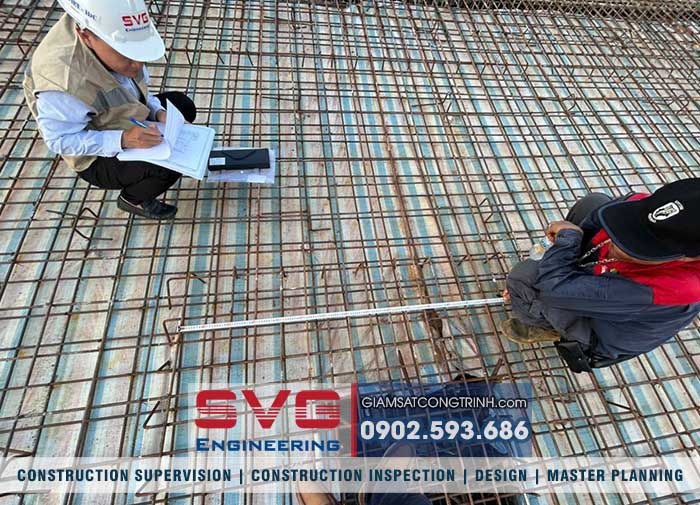
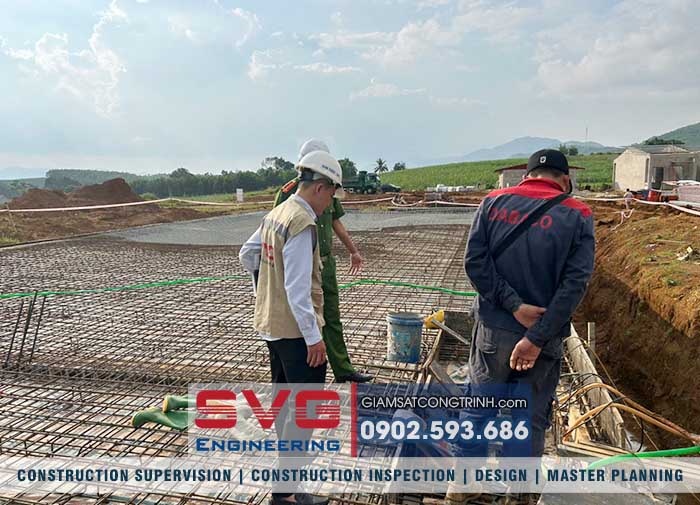
This is the most common form of appraisal. The judicial appraiser examines whether concrete meets the required strength grade, whether reinforcing steel complies with the specified type and standards, and whether settlement or deformation of the structure remains within permissible limits.
2.2. Appraisal of Construction Incidents
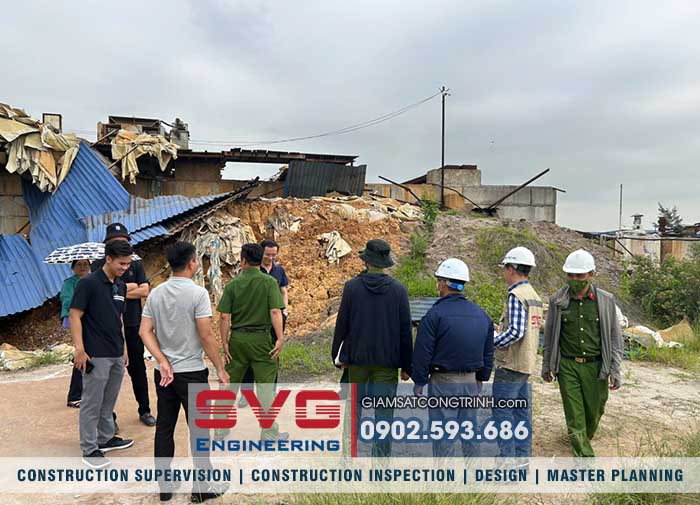
When a construction work experiences serious cracking, collapse, or significant tilting and settlement, judicial appraisal is conducted to identify the causes (such as design errors, improper construction practices, or external impacts) in order to determine the responsibilities of the relevant parties.
2.3. Appraisal of Construction Costs and Asset Value
This type of appraisal commonly arises in cases involving corruption, wastefulness, contract disputes, or asset division. The appraiser must determine whether the actual executed construction volume matches the payment and final settlement records, and whether the applied unit prices comply with state regulations in effect at the relevant time.
2.4. Appraisal of Compliance with Legal Regulations
This involves examining whether procedures for project formulation, bidding, construction permitting, and project management have been carried out in accordance with applicable legal frameworks and regulations.
3. WHO IS AUTHORIZED TO CONDUCT JUDICIAL CONSTRUCTION APPRAISAL
Not every construction engineer is eligible to perform judicial construction appraisal. Under the law, the authorized entities include:
-
Judicial Construction Appraisers
Individuals who meet the statutory requirements (academic qualifications, more than five years of professional experience, and valid practicing certificates) and are officially appointed by the Ministry of Construction or by provincial-level People’s Committees.
-
Case-by-Case Judicial Appraisers
Professionals with relevant expertise who are not included in the list of regularly appointed appraisers, but are specifically invited or designated to conduct appraisal for a particular case.
-
Judicial Appraisal Organizations
These include construction inspection and appraisal centers under provincial Departments or the Ministry, as well as private construction consultancy firms that are duly
4. STANDARD PROCEDURE FOR JUDICIAL CONSTRUCTION APPRAISAL
This procedure typically consists of five stringent steps to ensure objectivity and legal validity:
-
Step 1: Receipt of the Appraisal Request
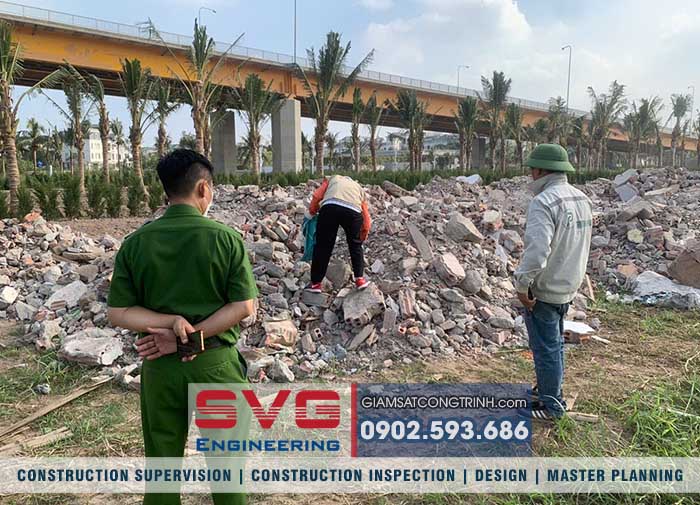
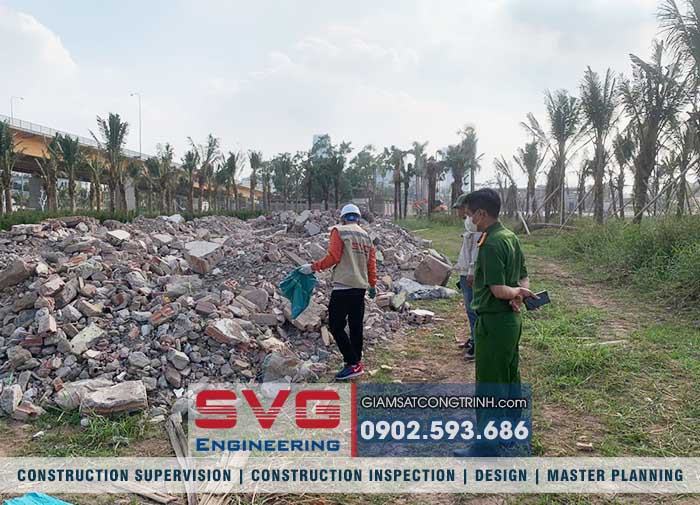
The requesting authorities (Courts, Police, or Procuracies) submit a formal appraisal decision together with relevant dossiers and documents. The appraisal organization reviews its capacity and decides whether to accept or decline the appraisal request.
-
Step 2: Appraisal Preparation
-
Preparation of an appraisal outline specifying methodologies, equipment, and personnel;
-
Preliminary site inspection;
-
Estimation of appraisal costs for advance payment by the requesting party.
-
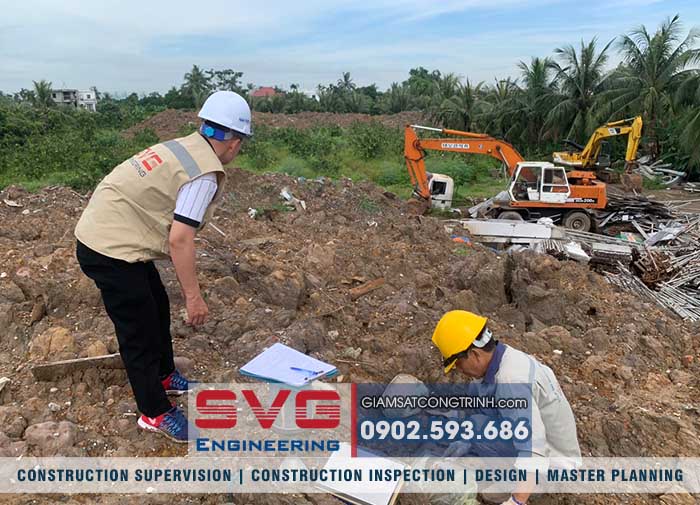
Step 3: On-site and Laboratory Appraisal
-
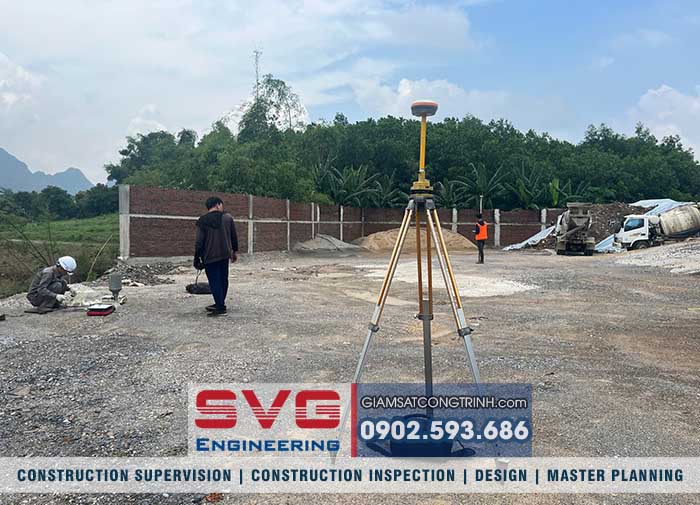
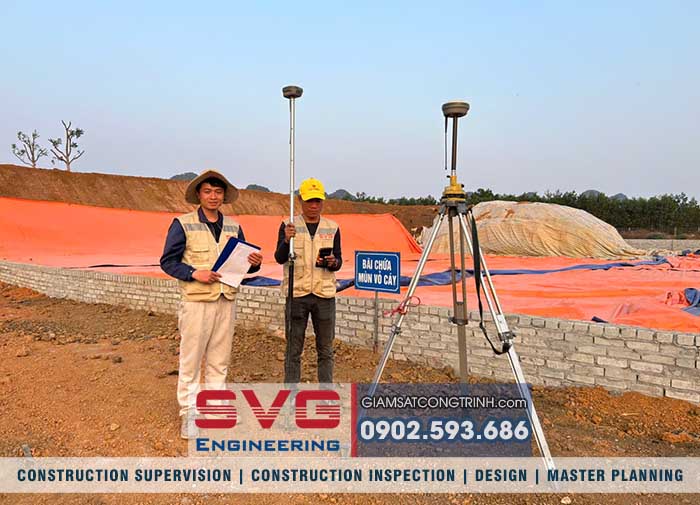
On-site measurements: Using theodolites, total stations, and 3D laser scanners;
-
Non-destructive testing: Using rebar scanners, ultrasonic testing devices, and rebound hammers to assess concrete strength;
-
Destructive testing: Core drilling of concrete samples and cutting steel samples for tensile testing in the laboratory.
-
Step 4: Analysis and Evaluation
Based on test results and as-built documentation, the appraiser compares findings against applicable standards (TCVN) and technical regulations (QCVN) to form scientifically sound and logical assessments.
-
Step 5: Issuance of the Appraisal Conclusion
This is the most critical document, serving as a source of evidence in court proceedings. The appraisal conclusion must directly and clearly address the questions raised by the requesting authority.
5. THE COST OF JUDICIAL CONSTRUCTION APPRAISAL
The cost of judicial construction appraisal does not have a fixed amount and depends on several factors, including:
-
Scope of work: the number of samples to be taken, load-bearing structural components to be examined, and the floor area requiring inspection;
-
Level of complexity: depending on the complexity of the construction project. For example, appraising the cause of the collapse of a high-rise building is significantly more costly than appraising the value of a townhouse;
-
Equipment and testing costs: expenses for renting specialized equipment and laboratory testing fees.
In practice, these costs are usually borne by the party at fault after a court judgment is issued, or the requesting party is required to make an advance payment for the appraisal.
6. EXPERIENCE AND PRACTICAL ADVICE WHEN PARTICIPATING IN JUDICIAL CONSTRUCTION APPRAISAL
- For project owners and contractors:
It is essential to carefully and systematically retain design documents, construction records, and site diaries. These materials constitute reliable evidence — a true “protective shield” — in the event of disputes.
- For appraisal organizations:
Strict compliance with technical procedures and applicable construction standards is mandatory in order to deliver appraisal conclusions that are accurate, clear, and transparent.
SVG ENGINEERING – A REPUTABLE PROVIDER OF JUDICIAL CONSTRUCTION APPRAISAL
Judicial construction appraisal is an interdisciplinary activity at the intersection of engineering and law. To perform this work effectively, appraisers must not only possess strong expertise in structural engineering, soil mechanics, and construction economics, but also have a thorough understanding of the Construction Law and the Law on Judicial Appraisal.
In the context of Vietnam’s rapidly developing construction industry, with an increasing number of large-scale and complex projects, judicial construction appraisal plays a more vital role than ever in safeguarding justice and ensuring the quality of national construction works. With 20 years of experience in judicial construction appraisal, SVG Engineering is proud to be a pioneering and trusted firm in the field, committed to resolving cases efficiently, clearly, and transparently.
JUDICIAL IN VIETNAM
Please immediately contact Hotline: 0902.593.686 (Mr. Thang) & Email: svg.engineer@gmail.com to support and advice on issues related to Judicial Construction Appraisal Fee Quotation in Viet Nam ... Best regards!

VietNam construction consulting - Mr. Thang 0902.593.686
CONTACT US:
SAO VIET CONSTRUCTION DESIGN CONSULTING AND INSPECTION JOINT STOCK COMPANY
🏢 Hai Phong Office :
Address : 7th floor SVG Building - Bui Vien Street - An Bien Ward - Hai Phong City
☎ Tel: (0225) 3.747.819
📞 Hotline: 0902.593.686
📧 Email: svg.engineer@gmail.com
🌎 VietNam Website: giamsatcongtrinh.com
🌎 English Website: en.giamsatcongtrinh.com
🌎 China Website: cn.giamsatcongtrinh.com
 Youtube Channel: https://www.youtube.com/@svgengineering
🏢 Representative offices:
- Ha Noi Branch Office : No. 9/ 81 Hoang Cau Street, Dong Da Ward, Hanoi Capital
- Ho Chi Minh Branch Office: 2/1C Cao Thang Street, Ban Co Ward, Ho Chi Minh City
- Hue Branch Office : M25 Lot , 21 Street, Dong Nam Thuy An, Thanh Thuy Ward, Hue City